
Artificial Intelligence has transformed the way people work, learn, and create. With dozens of AI tools available today, selecting the right one for a specific task can be challenging. Understanding each tool’s strengths helps users save time and achieve better results.
2. Why Different AI Tools Excel at Different Tasks
No single AI tool is perfect for every situation. Some models are better at following instructions, while others excel at research, creativity, or technical problem-solving. Knowing these differences allows users to choose the most effective tool for their needs.
3. The Four Categories of Modern AI Tools
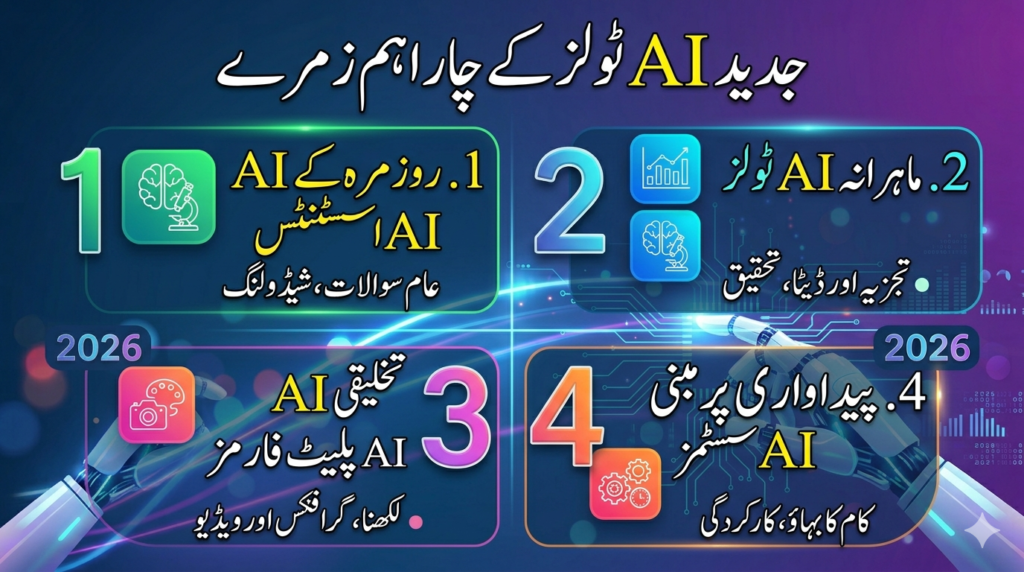
AI tools can generally be divided into four major categories: everyday AI assistants, specialist AI tools, creative AI platforms, and productivity-focused AI systems. Each category serves a unique purpose in professional workflows.
4. Everyday AI: The Most Frequently Used Assistants
Everyday AI tools are designed for general-purpose tasks such as writing, brainstorming, research, summarization, and problem-solving. Popular examples include ChatGPT, Gemini, and Claude.
5. ChatGPT: The Most Obedient AI Assistant
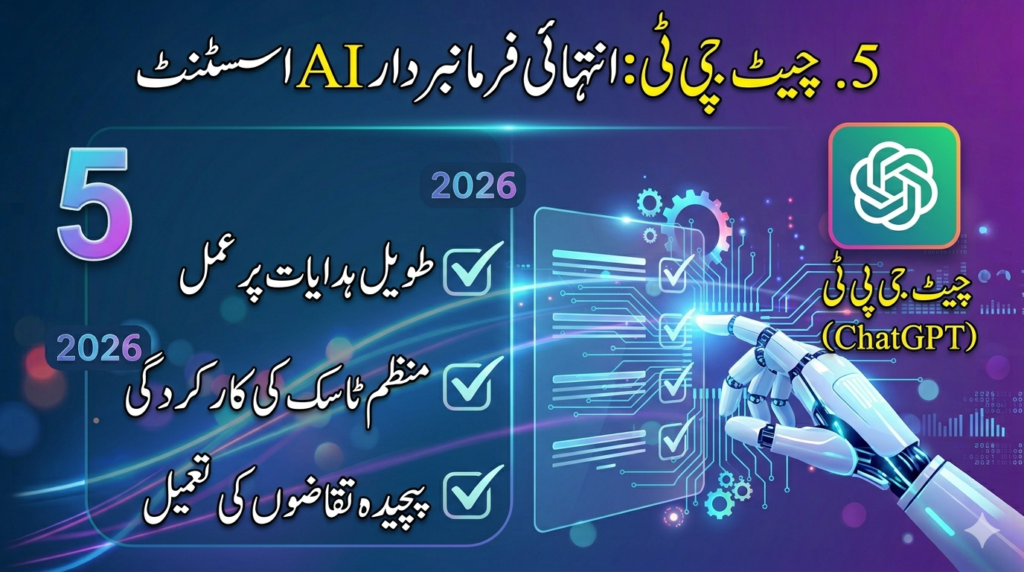
ChatGPT stands out because of its ability to follow detailed instructions accurately. When given a complex checklist or multiple requirements, it carefully processes each step instead of skipping important details. This reliability makes it ideal for structured tasks.
6. How ChatGPT Handles Complex Instructions
Many AI models perform well on simple requests, but ChatGPT shines when handling long and detailed prompts. It can process multiple conditions, requirements, and formatting instructions while maintaining consistency throughout the response.
7. Real-World Example of ChatGPT’s Strength

In professional scenarios such as hiring evaluations, project planning, and content creation, ChatGPT often delivers more complete results. It follows specified rules closely and reduces the risk of missing critical requirements.
8. Web Search Reliability in ChatGPT
When web search features are enabled, ChatGPT consistently performs online searches when requested. This predictable behavior is valuable for users who need accurate, up-to-date information without worrying about skipped steps.
9. Why Consistency Matters in AI Workflows
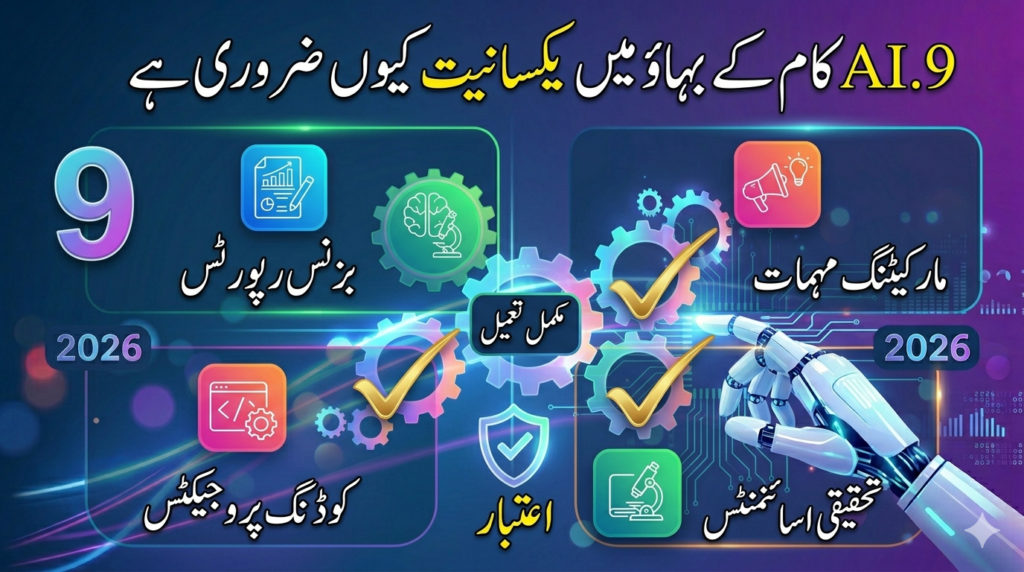
Reliable behavior builds trust. Users working on business reports, marketing campaigns, coding projects, or research assignments need confidence that the AI will follow instructions exactly as intended.
10. When You Should Choose ChatGPT
ChatGPT is the best choice for tasks involving multiple requirements, detailed workflows, complex prompts, and situations where accuracy is essential. If missing a single step could impact the final outcome, ChatGPT is often the safest option.
11. Conclusion: Using the Right AI Tool at the Right Time
The future of productivity depends on understanding the strengths of different AI tools. ChatGPT excels in instruction-following and consistency, making it an excellent choice for complex projects. By selecting the right AI for each task, users can maximize efficiency and achieve better results in their daily work.